

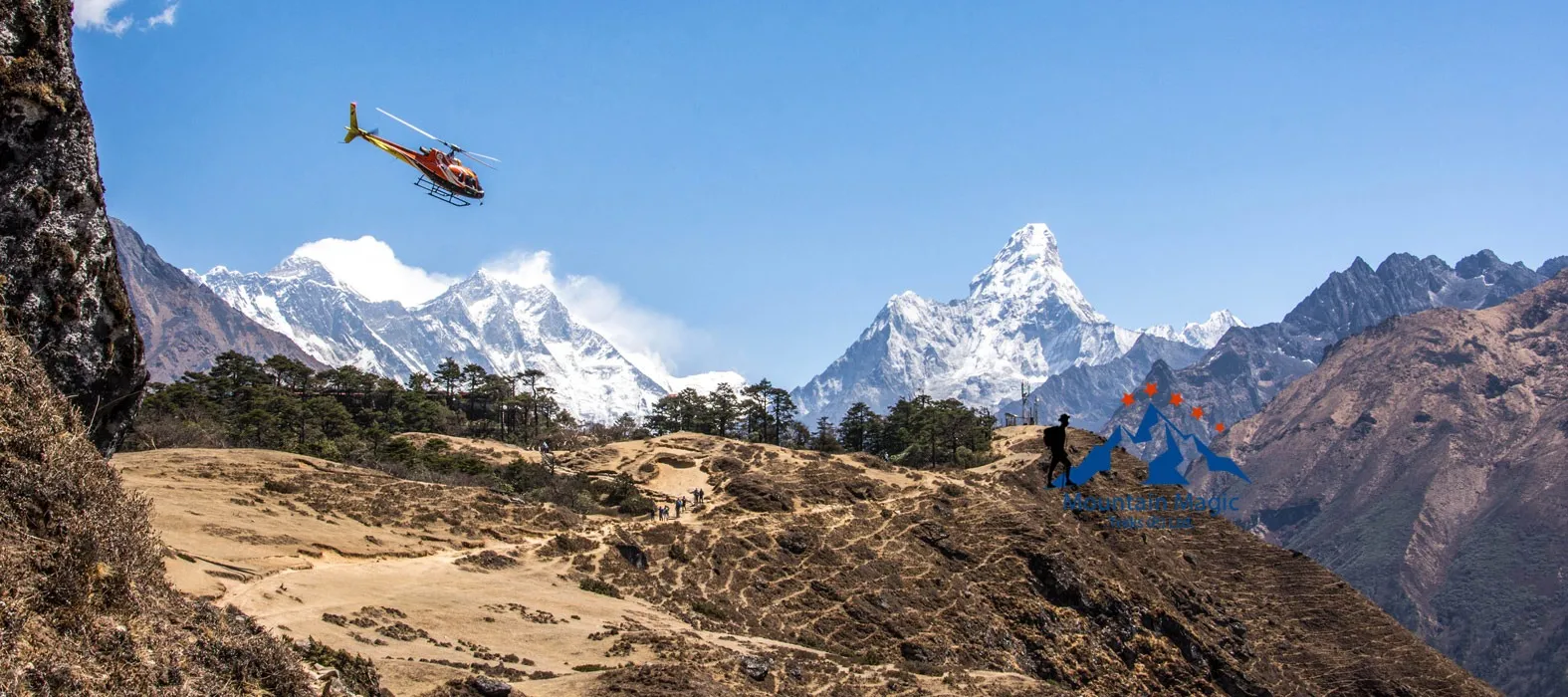
A good night’s sleep can become difficult when the body moves into a high-altitude environment. Even travelers who normally sleep well may notice more awakenings, unusual breathing patterns, or difficulty falling asleep during a mountain journey. These changes can become more noticeable as the trekking route moves above 3,000 meters.
During the Everest Base Camp Trek with Helicopter Return, overnight stops gradually move from lower settlements toward Dingboche, Lobuche, and Gorakshep. The thinner air at these elevations affects how the body breathes during rest. Understanding these changes helps travelers recognize normal sleep disturbances and identify symptoms that need medical attention.
Why Sleeping Feels Different in the Mountains
At higher elevations, atmospheric pressure decreases. This means each breath provides less available oxygen than it does at sea level.
The body responds by changing its breathing pattern. These adjustments can continue while a person is sleeping, making nighttime rest feel different from sleeping at home.
The Connection Between Altitude and Breathing
Some people experience periodic breathing at altitude. This involves alternating periods of deeper breathing and slower breathing, sometimes with short pauses.
It can interrupt sleep and cause repeated awakenings. Although periodic breathing can occur during altitude exposure, it should not be confused with every form of nighttime breathing difficulty.
A traveler should report unusual or severe symptoms to the trekking guide rather than assuming they are harmless.
How Sleeping Elevations Change Along the Route
The sleeping altitude increases as the route moves deeper into the Khumbu region. Each overnight stop gives the body a different environment to adjust to.
|
Overnight location |
Approximate elevation |
|
Phakding |
2,610 m |
|
Namche Bazaar |
3,440 m |
|
Tengboche |
3,860 m |
|
Dingboche |
4,410 m |
|
Lobuche |
4,940 m |
|
Gorakshep |
5,164 m |
These elevations are approximate and may vary slightly by accommodation location.
Why the Later Nights Can Feel More Challenging
Sleeping near 5,000 meters is very different from sleeping in a lower mountain village. Oxygen availability is reduced, temperatures can be much colder, and the body has already completed several days of physical activity.
The Everest Base Camp Trek with Helicopter Return includes acclimatization stops at Namche Bazaar and Dingboche. These planned stops support gradual adjustment, but they do not guarantee that every traveler will sleep comfortably.
What Teahouse Bedrooms Are Like
Mountain teahouses provide basic overnight accommodation along the trekking route. Room facilities vary between villages and individual lodges.
Most rooms have simple beds, mattresses, pillows, and blankets. Some lodges offer additional bedding, but travelers should not assume that every room has the same level of insulation or heating.
Managing the Indoor Temperature
Bedrooms can become cold, particularly at higher settlements. Heating is more commonly available in shared dining areas than in individual bedrooms.
A practical sleeping arrangement may include:
-
A suitable sleeping bag rated for expected conditions.
-
Clean thermal clothing.
-
Dry socks reserved for nighttime.
-
A warm hat if needed.
-
A small personal light for nighttime movement.
The sleeping bag should match the expected temperature. Relying only on the blankets provided by a lodge is an avoidable risk.
Why Dry Clothing Matters Before Bed
Clothing that becomes damp during the day can make nighttime discomfort worse. Sweat, snow, rain, and spilled water can all reduce the warmth of clothing.
Changing into dry clothing before sleeping helps reduce heat loss and makes it easier to stay comfortable.
Keep Sleeping Clothes Separate
A simple system is to reserve one clean clothing set for nighttime use. Store it inside a dry bag so it does not become damp inside the trekking duffel.
Avoid going to bed in wet socks or sweaty trekking layers. If clothing becomes wet, arrange to dry it safely whenever lodge facilities and weather conditions allow.
Food, Water, and Evening Habits
Late heavy meals, excessive caffeine, and uncomfortable fluid intake can interfere with sleep.
Travelers should maintain regular hydration during the day and drink according to thirst and their guide’s advice. Drinking large amounts immediately before bedtime may lead to repeated bathroom visits, which can be uncomfortable in cold conditions.
Create a Simple Evening Routine
A practical routine can include:
-
Finish dinner without rushing.
-
Refill and prepare drinking water for the next day.
-
Organize essential belongings.
-
Change into dry nighttime clothing.
-
Avoid excessive caffeine late in the day.
-
Allow enough time for rest.
These habits cannot prevent altitude-related sleep problems, but they can remove some avoidable sources of discomfort.
Recognizing When Poor Sleep May Signal Altitude Sickness
Not every disturbed night indicates altitude sickness. Cold rooms, unfamiliar surroundings, physical fatigue, and periodic breathing can all affect sleep.
However, travelers must not ignore symptoms that suggest acute mountain sickness or a more serious altitude-related condition.
Warning Signs That Need Attention
Watch for symptoms such as:
-
A headache after gaining altitude.
-
Nausea or vomiting.
-
Dizziness or unusual fatigue.
-
Loss of appetite.
-
Difficulty walking straight.
-
Confusion or unusual behavior.
-
Breathlessness while resting.
Severe breathlessness at rest, confusion, or difficulty walking normally can indicate a medical emergency.
Tell the guide immediately if symptoms develop or become worse. Do not continue ascending while experiencing suspected altitude illness. Medical assessment and descent may be necessary. Supplemental oxygen and medication should be used only under appropriate medical guidance.
The Importance of the Acclimatization Stops
The itinerary includes acclimatization time in Namche Bazaar and Dingboche. These stops are important because they allow the body to adjust before moving to higher sleeping elevations.
Rest Days Are Not Medical Guarantees
An acclimatization day does not make altitude sickness impossible. Individual responses differ, and a person who felt comfortable at Namche may still develop symptoms later.
Travelers should follow the guide’s instructions, report changes in their condition, and avoid treating the itinerary as a reason to ignore warning signs.
The Everest Base Camp Trek with Helicopter Return is a high-altitude journey, so health decisions must take priority over reaching a planned destination.
Sleeping After the Helicopter Return
The return helicopter flight from the Gorakshep area to Kathmandu involves a major change in elevation. After arriving in the city, travelers may notice that breathing and sleeping feel more comfortable as they spend time at a much lower altitude.
However, a helicopter flight should not be treated as a substitute for proper medical treatment.
Allow Time to Recover
After reaching Kathmandu, travelers should follow medical advice if they experienced altitude symptoms during the trek. They should also report any continuing headache, nausea, breathing difficulty, or unusual weakness.
The return flight is part of the travel arrangement, but health concerns still require proper attention after landing.
Final Thoughts
Sleep at high altitude can be affected by thinner air, colder bedrooms, physical fatigue, and changes in breathing. These challenges become more noticeable as overnight stops move toward Lobuche and Gorakshep.
During the Everest Base Camp Trek with Helicopter Return, understanding nighttime conditions is just as important as understanding the walking route. Suitable bedding, dry clothing, sensible evening habits, and honest communication with the guide can help travelers manage the experience more responsibly. Most importantly, serious symptoms should never be dismissed as ordinary sleep problems.
Frequently Asked Questions
1. Is it normal to wake up frequently at high altitude?
Some travelers experience repeated awakenings and changes in breathing patterns at altitude. However, persistent or severe symptoms should be reported to the guide.
2. Are teahouse bedrooms heated?
Heating is more commonly provided in shared dining spaces than in private bedrooms. Room conditions differ between lodges.
3. Should I bring my own sleeping bag?
A suitable sleeping bag is a sensible choice because bedroom temperatures and available blankets can vary. Select one appropriate for the expected conditions.
4. Can altitude sickness affect sleep?
Yes. Altitude can disturb normal sleep patterns. Headache, nausea, dizziness, and other symptoms may indicate altitude sickness and require attention.
5. Does the helicopter return prevent altitude sickness?
No. The return flight reduces time spent at high elevation, but it does not prevent altitude sickness or replace medical treatment when needed.
